

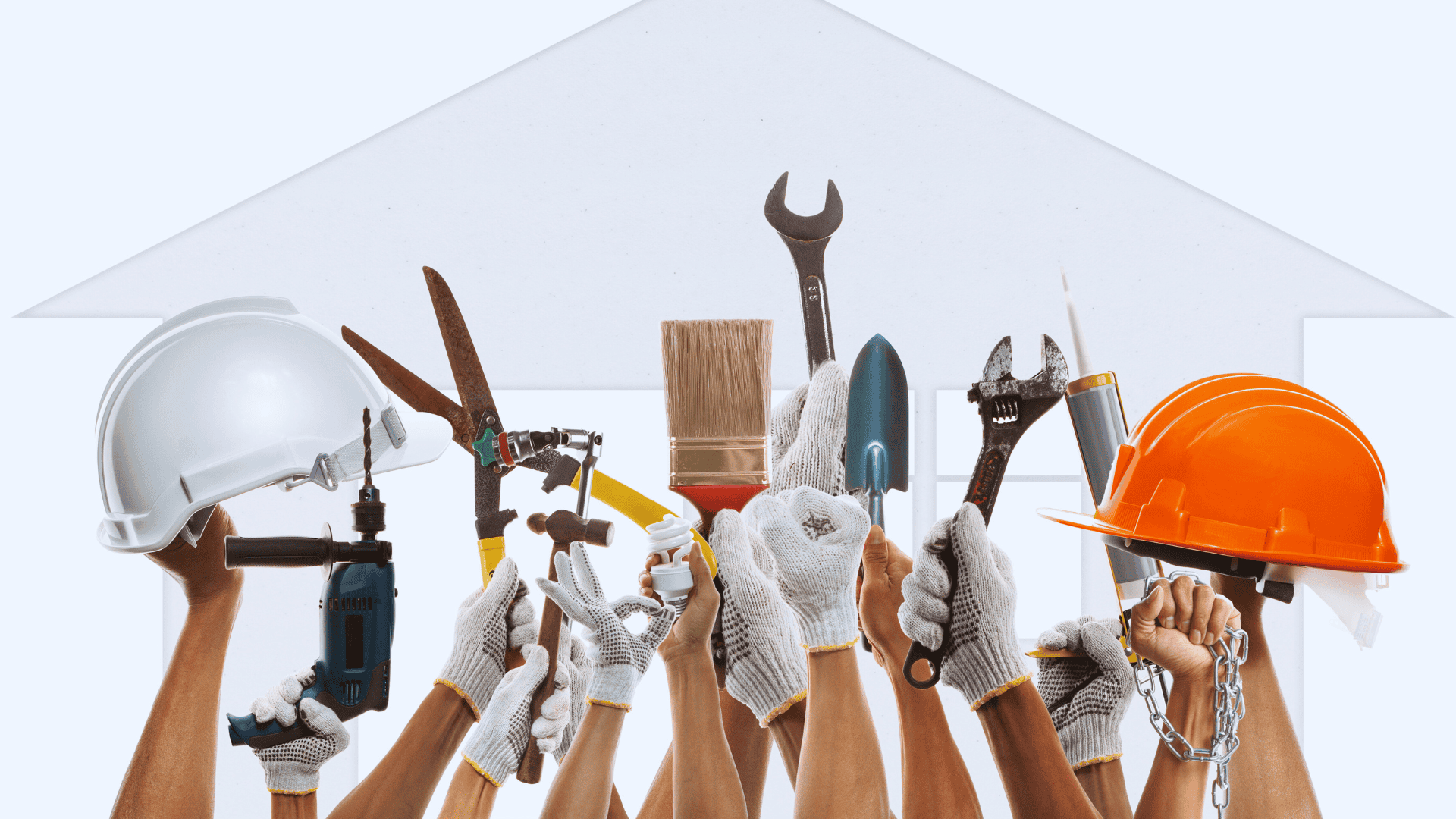
Managing home maintenance effectively is essential for maintaining property value and ensuring safety. By creating a schedule, staying organized, and addressing minor issues promptly, homeowners can prevent costly repairs down the line. This proactive approach not only saves money but also extends the life of key systems and appliances.
Home maintenance may seem daunting, but with the right strategies, anyone can approach it like a professional. Regular inspections and seasonal checklists greatly simplify the process, allowing one to address maintenance tasks systematically. This structured method fosters confidence and allows homeowners to enjoy their living spaces without constant worry about potential issues.
Incorporating technology can further enhance home maintenance management. Apps and smart devices can track repairs and remind homeowners of upcoming tasks. By leveraging these tools, they can stay ahead of maintenance needs and ensure their homes remain safe and comfortable.
Mastering the Fundamentals of Home Maintenance
Effective home maintenance requires a solid understanding of routine upkeep, awareness of critical systems, and the right tools. Mastery of these fundamentals can lead to efficient management and fewer unexpected repairs.
The Importance of Proactive Upkeep
Proactive upkeep is key to preventing more significant issues down the line. Addressing small repairs promptly helps avoid costly fixes and extends the lifespan of various home components.
Routine maintenance tasks like cleaning gutters and checking for leaks should happen seasonally. This not only keeps the home in good shape but also ensures safety. Regular inspections of elements like roofs, HVAC systems, and plumbing can catch potential problems early, minimizing stress and financial burden.
Understanding Your Home’s Critical Systems
A home consists of several critical systems that require attention. These include plumbing, electrical, HVAC, and structural integrity.
- Plumbing: Inspect pipes for leaks and ensure proper drainage. Use a wrench and plumber’s tape for minor fixes.
- Electrical: Regularly test smoke detectors and check outlets for any hazards. Familiarity with circuit breakers can be beneficial.
- HVAC: Change air filters every 1-3 months. Schedule annual maintenance for system efficiency.
- Roof and Foundation: Conduct visual inspections and address any visible damage promptly.
Being knowledgeable in these areas helps maintain home safety and efficiency.
Choosing Essential Tools for Every Homeowner
A well-equipped homeowner is better prepared for maintenance tasks. Core tools can make everyday repairs manageable and efficient. Here’s a list of must-haves:
- Screwdrivers: A set with various sizes and types, including both Phillips and flathead, is essential.
- Wrenches: An adjustable wrench and a socket set are useful for plumbing and mechanical tasks.
- Hammer: A sturdy hammer is critical for various projects around the home.
- Tape Measure: Accurate measurements are crucial for home improvement projects.
- Level: Ensures that installations, like shelves, are properly aligned.
Investing in quality tools can simplify routine maintenance and repairs, contributing to a well-maintained home.
Creating an Effective Home Maintenance Checklist
An effective home maintenance checklist is essential for staying organized and ensuring that important tasks are completed on time. This checklist serves as a tool to prioritize tasks, create a structured schedule, and utilize digital resources for tracking progress.
Assessing and Prioritizing Maintenance Tasks
The first step in creating a home maintenance checklist is to assess the property. This includes identifying all areas that require regular attention, such as:
- Roof and gutters
- HVAC systems
- Plumbing fixtures
- Electrical systems
Once these areas are listed, prioritize tasks based on urgency and importance. Items requiring immediate attention, like leaky faucets or heating issues, should be at the top. Seasonal maintenance, such as cleaning gutters or servicing the AC, can follow. This structured approach ensures critical maintenance tasks are handled promptly.
Structuring a Personalized Maintenance Schedule
A personalized maintenance schedule helps homeowners stay consistent with their upkeep tasks. Start by deciding on the frequency of each task. For example:
- Monthly: Change air filters, inspect smoke alarms
- Quarterly: Check plumbing, clean refrigerator coils
- Annually: Roof inspection, professional HVAC tune-up
It can be helpful to create a calendar or use a spreadsheet to mark these tasks. This visual representation can simplify reminders and help maintain a routine. Establishing a schedule that fits the homeowner’s lifestyle increases adherence and reduces the risk of forgetting essential maintenance.
Tracking Tasks with Digital Tools
Digital tools can enhance the home maintenance process by offering convenient tracking capabilities. Many apps and websites allow users to manage their checklists effectively.
These tools often include features such as:
- Reminders for upcoming tasks
- Tracking completed tasks
- Storing important information and documents
Utilizing mobile applications can make maintenance tasks easily accessible. They provide notifications and reminders, ensuring that nothing slips through the cracks. By harnessing technology, homeowners can manage their maintenance more efficiently.
Performing Routine and Seasonal Maintenance Like a Pro
Effective home maintenance involves consistent routine checks and strategic seasonal tasks. These efforts prevent minor issues from escalating into major repairs and ensure that energy efficiency is maximized throughout the year.
Monthly Tasks for Year-Round Efficiency
Regular maintenance tasks each month bolster a home’s efficiency. Important monthly actions include:
- Check Smoke Detectors: Test and replace batteries as necessary.
- Inspect HVAC Filters: Replace filters for optimal air quality and system efficiency.
- Clean Gutters: Remove debris to prevent water damage.
- Examine Safety Equipment: Check carbon monoxide detectors and fire extinguishers.
Staying organized with a maintenance calendar can provide timely reminders for these tasks. Homeowners can use apps or simple checklists to track progress and ensure nothing is overlooked.
Smart Seasonal Strategies to Prevent Problems
Seasonal maintenance is crucial for addressing potential issues before they arise. Key tasks for each season include:
- Spring: Inspect roofs for damage, clean outdoor furniture, and service air conditioning units.
- Summer: Prepare for heat by checking insulation and sealing air leaks. Inspect the irrigation system.
- Fall: Clean and store garden equipment. Winterize hoses and check heating systems.
- Winter: Inspect plumbing for possible freezing. Ensure proper attic insulation to avoid ice dams.
Creating a seasonal schedule helps manage tasks effectively, making sure each aspect of home care gets attention at the right time.
Optimizing Energy Efficiency at Home
Energy efficiency can be enhanced through routine and seasonal maintenance. Here are effective strategies:
- Seal Drafts: Use weather stripping around doors and windows to minimize energy loss.
- Insulate Attics and Walls: Proper insulation can lead to significant savings on heating and cooling.
- Service Appliances Regularly: Clean refrigerator coils and ensure that water heaters are functioning efficiently.
- Monitor Energy Use: Using smart meters or home energy audits can identify areas needing improvement.
By staying proactive in these areas, homeowners can not only keep their homes running smoothly but also save money on energy bills over time.
Handling Common Home Maintenance and Repairs
Regular home maintenance helps prevent costly repairs. Addressing common issues promptly increases safety and efficiency in the home environment. Below are specific tasks for managing these concerns effectively.
Preventing Water Damage with Gutter Cleaning
Clogged gutters can lead to serious water damage in a home. They can cause overflowing, which may affect the roof, siding, and foundation.
Key steps for effective gutter maintenance:
- Schedule cleaning: At least twice a year, inspect and clean gutters. This is especially important in the spring and fall when debris is more likely to accumulate.
- Check downspouts: Ensure they direct water away from the foundation, preventing seepage and potential flooding in basements.
- Install gutter guards: These can reduce the amount of debris that enters the system, making maintenance easier.
Failing to keep gutters clear can lead to mold growth, structural issues, and significant repair costs.
Managing Leaky Faucets and Plumbing Issues
Leaky faucets not only waste water but also increase utility bills. Addressing these issues promptly saves money and can prevent larger plumbing problems.
Steps for managing leaks:
- Identify the source: Check for worn washers, O-rings, or corroded valve seats.
- Replace parts: Most hardware stores carry affordable replacements for common faucet models.
- Regular inspections: Look for signs of leaks around toilets, under sinks, and at other plumbing connections.
In addition to faucets, monitoring pipes for leaks can prevent water damage and mold growth in hidden areas.
Maintaining Exhaust Fans and Air Filters
Regular maintenance of exhaust fans and HVAC filters contributes to air quality and energy efficiency. Dirty filters can hinder airflow and impact system performance.
Maintenance tasks include:
- Clean exhaust fans: Remove dust and grime from fans in kitchens and bathrooms. This helps prevent buildup that can lead to odors and decreased performance.
- Check HVAC filters: Replace filters every 3 to 6 months. Keeping filters clean allows systems to operate efficiently.
- Inspect ductwork: Look for blockages or excessive dust that can affect circulation.
These steps will enhance indoor air quality and reduce allergens in the home environment.
Ensuring Fire Safety and Emergency Preparedness
Safety measures can greatly reduce risks associated with fires. Regular checks help ensure preparedness in case of an emergency.
Essential fire safety tasks:
- Test smoke alarms: Monthly testing and annual battery changes are crucial for functioning alarms.
- Install fire extinguishers: Ensure they are easily accessible and regularly checked for expiration dates.
- Create an emergency plan: Establish escape routes and run drills with all household members to ensure everyone knows what to do in case of fire.
These practices create a safer living environment and allow for better preparedness in emergencies.